
Australia is one of the most attractive destinations for internationally trained pharmacists because of its strong healthcare system and excellent career opportunities.
However, pharmacists who obtained their degree outside Australia must pass the OPRA exam before continuing the pharmacist registration pathway.
What is the OPRA Exam?
The OPRA Exam (Overseas Pharmacists Readiness Assessment) is designed to evaluate whether overseas pharmacists have the pharmaceutical knowledge required to practice in Australia.
The OPRA exam replaced the previous KAPS exam.
Who Needs to Take the OPRA Exam?
The OPRA exam is required for pharmacists who obtained their pharmacy degree outside Australia and want to become licensed pharmacists in the country.
OPRA Exam Format
The exam is usually computer-based and includes multiple-choice questions covering topics such as:
Steps After Passing the OPRA Exam
After passing the OPRA exam, candidates usually continue with:
Preparing for the OPRA Exam
Successful candidates usually follow structured study plans and focus on clinical pharmacy knowledge and pharmaceutical sciences.
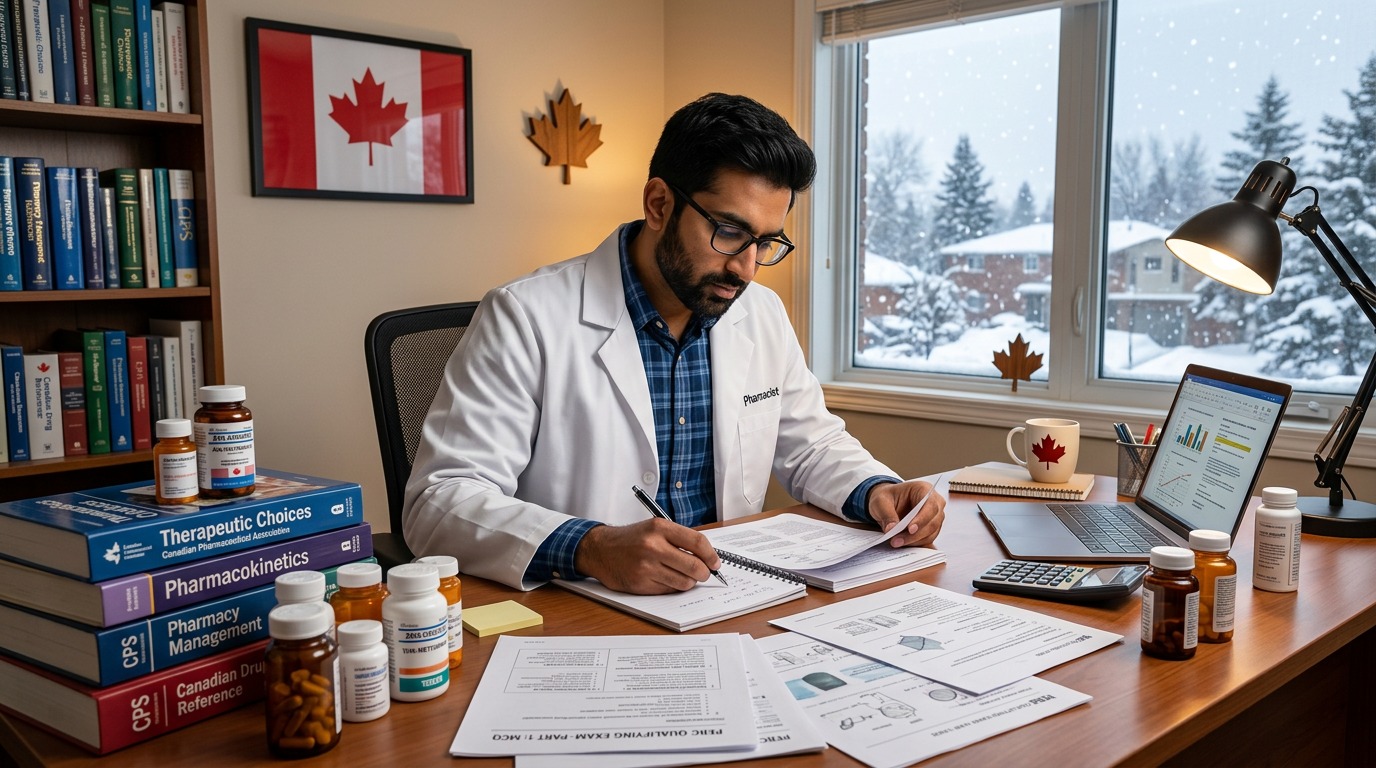
If you are an internationally trained pharmacist planning to work in Canada, passing the PEBC exam is one of the most important steps in the licensing process.
The Pharmacy Examining Board of Canada evaluates whether internationally educated pharmacists have the knowledge and competencies required to practice pharmacy safely in Canada.
What is the PEBC Exam?
The PEBC exam is a national examination required for pharmacists who obtained their pharmacy degree outside Canada and want to become licensed pharmacists.
The exam ensures that pharmacists meet the professional standards expected in the Canadian healthcare system.
PEBC Exam Structure
The PEBC certification process includes two main examinations, with the Qualifying Examination divided into two parts.
Evaluating Exam
This exam assesses the academic knowledge of internationally trained pharmacists and determines whether their education is comparable to Canadian pharmacy standards.
Candidates who pass this exam become eligible to take the next stage of the certification process.
Qualifying Exam
The Qualifying Examination evaluates the candidate’s clinical knowledge and ability to apply pharmacy practice skills in real-life scenarios. It consists of two parts:
Part I (MCQ):
A computer-based multiple-choice examination that assesses clinical knowledge, therapeutic decision-making, and patient care.
Part II (OSCE):
An Objective Structured Clinical Examination that evaluates practical skills such as patient counseling, communication, and problem-solving in simulated pharmacy situations.
Steps to Become a Pharmacist in Canada
After passing the PEBC exams, pharmacists must complete additional licensing requirements, which may include:
Completing a pharmacy internship or practical training
Passing a jurisprudence exam depending on the province
Meeting English or French language requirements
Registering with the provincial pharmacy regulatory authority
Preparing for the PEBC Exam
Preparation for the PEBC exam usually involves reviewing key pharmacy subjects such as therapeutics, pharmacology, pharmaceutical calculations, and patient care scenarios.
Following a structured study plan and using reliable preparation resources can significantly improve your chances of success.

Many pharmacists choose to work in Gulf countries because of the strong healthcare sector and attractive career opportunities.
In many Gulf countries, pharmacists must pass the Prometric exam to obtain a professional license.
What is the Prometric Exam?
The Prometric exam is a computer-based licensing exam used by several Gulf health authorities to assess healthcare professionals including pharmacists.
Countries That Require the Prometric Exam
Each country has its own licensing authority but many of them use Prometric testing centers for examinations.
Prometric Exam Format
The exam usually includes multiple-choice questions covering topics such as:
Pharmacology
Therapeutics
Pharmacy practice
Pharmaceutical calculations
Drug interactions
Patient safety
Requirements to Apply
Typical requirements include:
Pharmacy degree
Academic transcripts
Professional experience in some cases
Credential verification such as DataFlow
Preparing for the Prometric Exam
Preparation usually involves reviewing core pharmacy subjects and practicing exam-style questions.
.jpeg)
Many pharmacists aim to work internationally to access better career opportunities and professional development.
However, most countries require internationally trained pharmacists to pass licensing exams before practicing.
Why Licensing Exams Are Required?
Pharmacy licensing exams ensure that pharmacists meet the professional standards required to practice safely in each country.
Major Pharmacy Licensing Exams
Australia
OPRA Exam (previously KAPS)
Canada
PEBC Exam
United Kingdom
OSPAP pathway and registration assessment
United States
FPGEE followed by NAPLEX
Gulf Countries
Prometric exams
Choosing the Best Country for Pharmacists
Pharmacists usually consider several factors when choosing a destination such as salary, licensing difficulty, and immigration pathways.
Preparing for International Pharmacy Exams
Successful candidates usually prepare by reviewing clinical pharmacy guidelines, practicing calculations, and studying patient case scenarios.